
Lawn Alternatives Workshop: Session one
May 2 @ 8:30 am - 1:00 pm
Cost: $125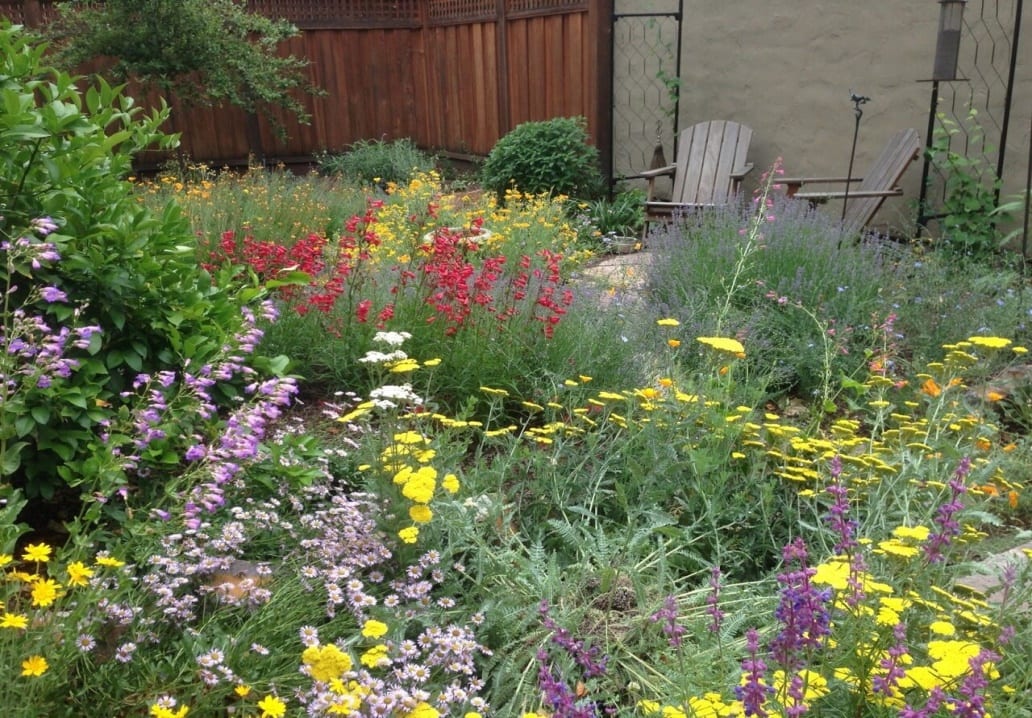
This is a two-session workshop. Sign up for session one and you are automatically set for both sessions.
The traditional lawn is considered one of the least sustainable types of landscape. Annual upkeep for a healthy lawn requires large amounts of water and fertilizers paired with weekly mowing and string trimming, all of which pollutes our environment. Unfortunately, lawns provide zero wildlife value to local ecosystems. Some lawn can be a great addition to a garden, but converting unused lawn can reduce annual maintenance costs, conserve water, eliminate the need for chemicals, and benefit our surrounding ecosystems.
In this two-session workshop we’ll review the history of the conventional lawn and its impact on the environment. We’ll step through the process of transitioning this type of lawn to a more sustainable option and then apply this process hands on to an area of the Agricultural Center grounds. Participants will take part in a design charette using a turf area from their own property as a project. Working with the instructor, you’ll be given the tools and information to create a design with a transition plan and a plant palette. (A charette is a design workshop in which the challenges of specific projects are discussed, and solutions adopted in a limited time frame)
Session one: Saturday, May 2nd at 8:30am (1-hour lecture, 3.5-hour hands-on)
- The history of the conventional lawn and how it became a staple in the American landscape
- The environmental impact of turfgrass maintenance
- The step-by-step process of converting multiple types of conventional turfgrass
- Lawn alternative plant palettes
- Class will prepare an existing turf area for lawn to garden conversion
Session two: Sunday, May 17 at 8:30am (90-minute design charette, 3-hour hands-on work session)
- Participants will come to the session with an area of their own they are considering converting. In the first part of the session, they will be given design templates and plant lists to create a design, transition plan, and plant palette. The class instructor will provide feedback and guidance for each participant.
For the second part of the session, the class will layout and plant the area that was prepped in session one. Participants will also mulch and water in the area while discussing maintenance plans, potential challenges and techniques to set your own plants up to thrive. We’ll cover information about proper planting, mulching and long-term watering techniques to better ensure the success of your plants.
All materials for both sessions are provided.
Venue:
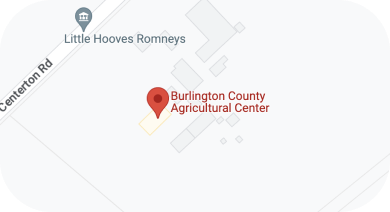
Burlington County Agricultural Center
500 Centerton Road
Moorestown,
NJ
08057
Questions:
Stay Connected
Sign up for e-news to learn about special events and offerings.