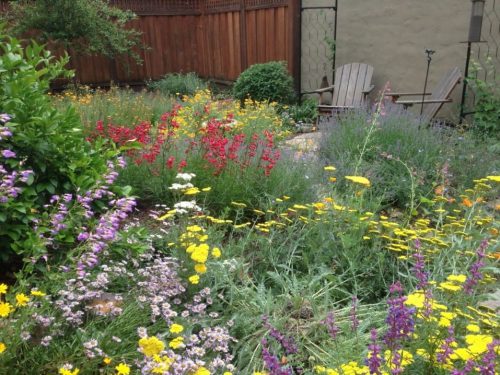
Lawn Alternatives: Session two
This is the SECOND part of a two-session workshop. Session one was on May 2nd. The traditional lawn is considered one of the least sustainable types of landscape. Annual upkeep […]
Lawn Alternatives Workshop: Session one
In this two-session workshop we will discuss the history of the conventional lawn and its impact on the environment. We’ll go through the step-by-step process of how to transition this type of lawn to a more sustainable option and apply this process hands on to an area of the Agricultural Center grounds. Participants will also take part in a design charette where participants will identify a turf area from their own property and be given the tools to create a design with a transition plan and a plant palette.
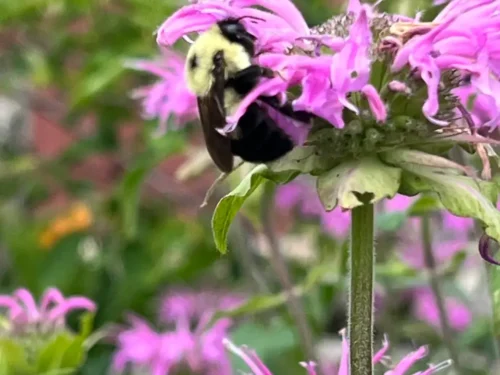
Backyard Habitats
learn how to attract pollinators, birds, and other beneficial species to your yard while repelling pests in natural ways. Discover the importance of selecting the right types of native plants – perennials, trees, shrubs, and grasses – that bloom throughout all three seasons and are adapted to the conditions we have in South Jersey.
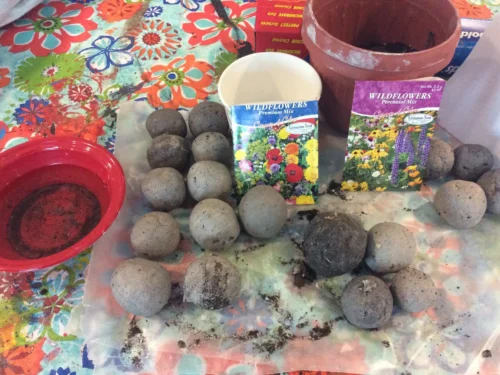
Little Gardeners’ Seed Bombs
Little gardeners aged 5-11 get their hands dirty making seed bombs! We will mix and mold seed bombs using compost harvested from our vermicomposting class along with seeds native to New Jersey.
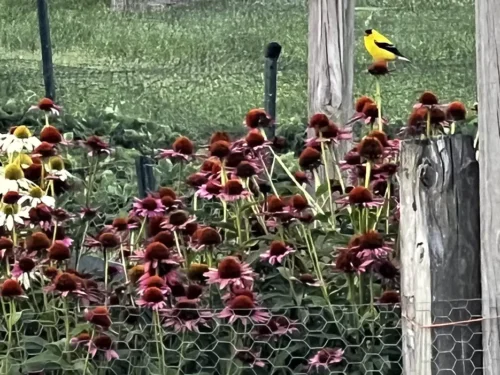
Pollinator Presentation with Jen Bulava
us for this informational seminar to learn how to attract pollinators and other beneficial species to your yard while repelling pests in natural ways. Discover the importance of selecting the right types of native plants – perennials, trees, shrubs, and grasses – that bloom throughout all three seasons and are adapted to the conditions we have in South Jersey.
Pollinator Walk with a County Naturalist
It is time to celebrate pollinators and spread the word about what we can do to protect them! Take a stroll around all the gardens on site to see examples of the plants that attract certain types of pollinators, from echinacea to milkweed to herbs.
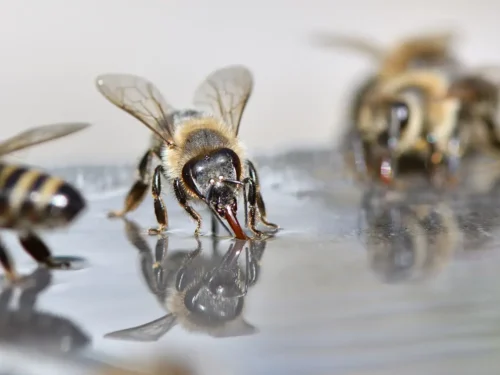
Make Your Own Bee Waterer!
Make a safe watering spot for the bees (and other small pollinators) to drink and rest. You’ll mix, measure and pour cement into easy release molds while we discuss safe havens for pollinators.
Stay Connected
Sign up for e-news to learn about special events and offerings.